By Megan Thomas
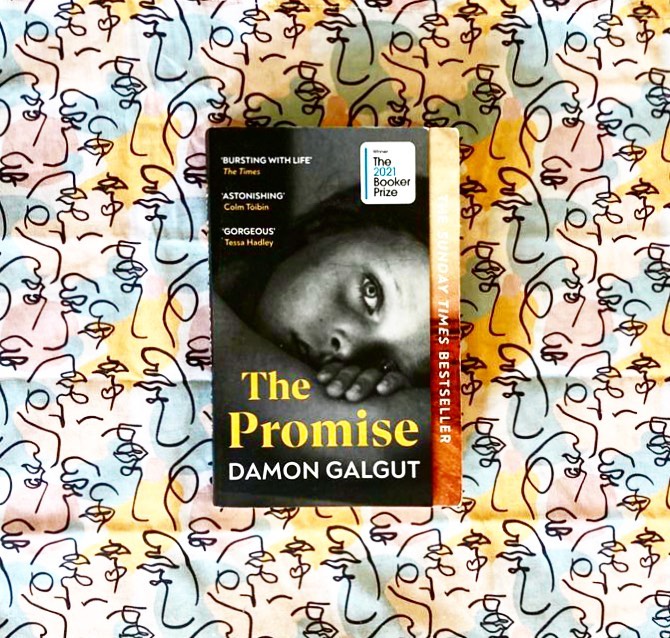
I had mixed expectations going into Damon Galgut’s novel, with the Booker Prize judges deeming it the 2021 winner, but with friends and readers, specifically from South Africa, questioning whether this was really the South African novel that needed shouting about at this time. I think context is important with novels, and a comparable debate came from American Dirt, but I also think we can look critically at the novel in its own right. In short, I thought The Promise was excellent, and whether there are better/different South African stories out there is undeniable, but irrelevant to this review.
This family saga is set between 1986 and 2018, from the perspective of an Afrikaans family living in Pretoria and structured around family funerals – the only time the whole family is really together. At the start of the novel, the youngest member of the family, Amor, overhears a promise made by her father on her mother’s death bed: he will give Salome, their maid, the deeds to the nearby house in which Salome has lived through her years of service to them. What Amor doesn’t realise at the time is that this cannot happen in Apartheid South Africa – not that her father had any intention of keeping his promise, which becomes evident when a decade later, the family are still fighting about it.
The Promise probes at deeply South African socio-political sore spots unflinchingly, without anxiety of its international interpretation, and I think that has influenced the respect and clout it has received worldwide. I’ve spoken to people who found it insincere in its South African-ness, like it was trying too hard to be South African from the language used to stereotypical imagery, but I didn’t notice that while reading. Perhaps I was too focused on the scale of the undertaking and the range of topics and themes the author was packing into what isn’t a particularly lengthy novel.
On the note of length, I do actually think it could’ve been longer in order to make the characters slightly more complex. I have no doubt that our degree of separation from the characters was intentional, but it was hard not to hate everyone.
I think I could talk about this book and all its nuances for days. There is just so much to unpack, from the fact that Salome would never have known about the promise if it weren’t through an eavesdropping child, to the actions, or sometimes inaction, of each and every family member who, despite differing in their fundamental stance, still do very little to deliver what they promised. So, if you do want to chat about it, you know where I am.
BUY THE BOOK: Waterstones | Foyles | Amazon
Disclaimer: I earn a small commission at no extra cost to you. Please get in touch if your preferred online platform is not listed here – I’ll see what I can do!
Read more South African fiction:


 Have You Read This