By Megan Thomas
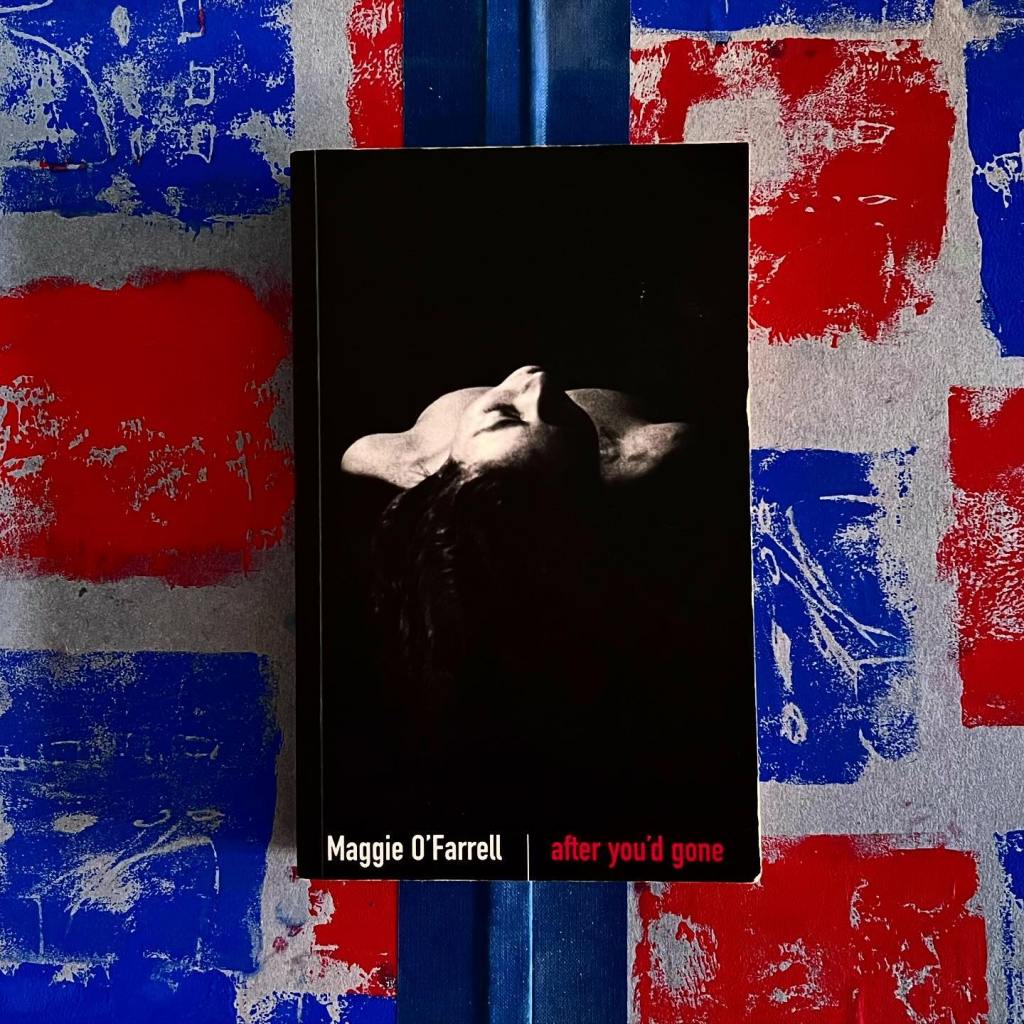
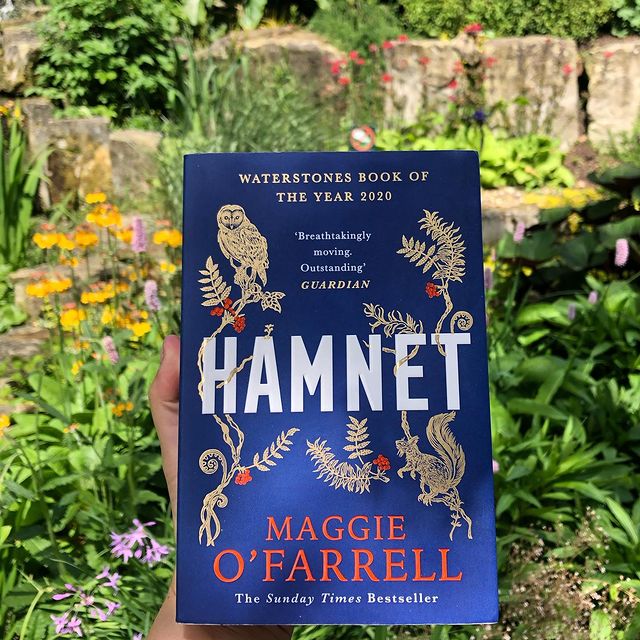
I have officially come to the realisation (arguably very late to the party) that it is simply not possible to read a Maggie O’Farrell novel and not cry. With that said, I’ve only read Hamnet, This Must Be The Place and now After You’d Gone – so perhaps it’s a coincidence. I’ll read her seven other novels to be sure, but I’ll be preparing myself for a good sob just in case.
After You’d Gone was O’Farrell’s debut novel, and I couldn’t help thinking two things while reading. One, how remarkable it is that it didn’t read as undercooked in comparison to her more recent novels. Two, how excited the publishers who first received this must have been, not even knowing yet (though definitely suspecting) that this was just the beginning for a prolific writer.
I’ve mentioned this before when reviewing O’Farrell’s novels: her Desert Island Disc episode is fantastic. Significantly, though, it is where I learnt that she has a speech impediment, which she thinks might be why she chooses words with such care – a lifetime spent avoiding letters that make her stammer. I mention this because it is so evident in the writing; there is not one word that hasn’t been handpicked, seeded and gently planted.
It’s uncommon that I get this far along in a review before I even mention the plot, though perhaps that speaks for itself. It is actually heavily plot driven, centering around Alice, who, after seeing something alarming while in Edinburgh visiting family, rushes home to London and shortly after gets hit by a car. From her hospital bed, she dips in and out of consciousness, and simultaneously we are directed back and forth through her and her family’s history as we build towards learning what happened in Edinburgh and what led to it.
With that said, the plots of O’Farrell’s novels often feel to me like a glorious vessel into which she can pour the heartbreaking depths of humanity. She deals with love, loss, jealousy, betrayal, desire, loyalty, and every other human necessity with such incredible empathy. The only inconvenience was how much my tears obscured the writing. Which of her novels shall I “suffer” through next?
BUY THE BOOK: Waterstones | Amazon
Disclaimer: I earn a small commission at no extra cost to you. Please get in touch if your preferred online platform is not listed here – I’ll see what I can do!
Read more tearjerkers:
 Have You Read This